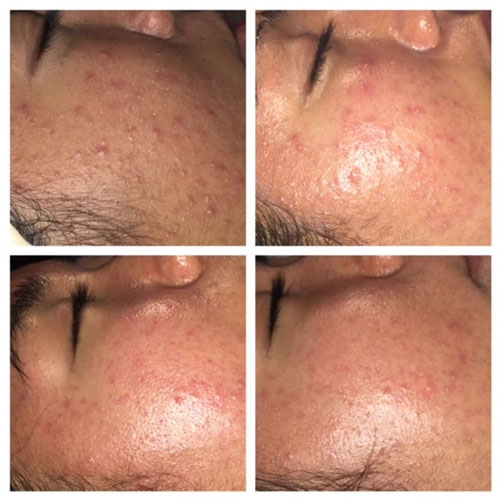
Mesotherapy for skin rejuvenation means delivering a small amount of vitamins, hyaluronic acid, antioxidants or plant extracts into the upper layers of the skin to improve hydration, glow and texture. It can make skin look fresher. The proof that it reverses wrinkles or tightens skin is thin, and the quality of the practitioner and the products matters more than the label on the treatment. Here is what it is, what the research says, who should skip it, and how to choose a safe provider in Ottawa.
TL;DR
- Facial mesotherapy aims at hydration, radiance and fine texture. It is not a substitute for fillers or lifting treatments.
- A 2021 evidence update calls it controversial, with proof of efficacy still lacking. Expect modest, subtle changes, not a transformation.
- In Canada, injectables should be given by trained medical professionals using Health Canada-authorized products, and needle-free “hyaluron pens” are not authorized.
- Microneedling is a different technique with a stronger research base for texture and collagen, and the two are sometimes combined.
- Darker skin types (Fitzpatrick IV to VI) carry a higher risk of post-inflammatory hyperpigmentation and need a conservative plan.
Table of Contents
- What mesotherapy actually is
- What it can and cannot do for your skin
- Mesotherapy vs microneedling
- Mesotherapy vs dermal fillers
- Safety and regulation in Canada
- How long results last
- Our perspective: start with the skin, not the trend
- Other options worth comparing
- Choosing a provider in Ottawa
- Book a consultation at Nakota MediSpa
- Aftercare and what to expect on the day
- FAQ
- Sources
What mesotherapy actually is
Mesotherapy is a French technique from the 1950s. In its cosmetic form, tiny amounts of a customized solution are placed in the dermis, the middle layer of skin, rather than applied on the surface. The solution, often called a “cocktail”, may contain hyaluronic acid, vitamins, minerals, amino acids or plant extracts. The idea is that these ingredients reach the layer where collagen and elastin are made, and support it directly.
You will also see it called biorejuvenation or biorevitalization. A histological study of facial mesotherapy describes it as a transdermal injection of a multivitamin solution and plant extracts that are thought to rejuvenate the skin. The wording “thought to” is fair. The method is simple in concept, but results depend heavily on what is in the solution, how deep it goes, and who is holding the device.
There are two broad delivery styles you will meet:
- Fine-needle injection: small superficial injections or multiple micro-papules across the face, neck, décolletage or hands.
- Micro-channel delivery: a microneedling device creates tiny channels in the skin, and a serum is applied so it can penetrate. A 2025 review of micro-needling describes this “micro-needling mesotherapy” and notes the micro-channels stay open only for a short time.
The difference matters for safety and for regulation, which we cover below.
What it can and cannot do for your skin
People usually book facial mesotherapy for one of these reasons:
- Dull, dehydrated skin that looks tired
- Fine, shallow lines, especially around the eyes
- Rough texture or uneven tone
- Skin that feels crepey or thin on the neck and chest
The honest picture is mixed. A 2021 update on the effectiveness of facial mesotherapy describes it as a controversial cosmetic procedure whose proof of efficacy is still lacking. It reports that several small prospective studies of about 10 patients each found no significant clinical or histological improvement in tightening or wrinkle reduction after multiple sessions. The American Society of Plastic Surgeons has also said it is not approved for routine anti-aging.
That does not mean nobody sees a difference. Some patients report better hydration and texture, and hyaluronic acid-based approaches have been evaluated for facial rejuvenation as a way to improve skin quality. But the benefit tends to be subtle and tied to the formulation, the technique and your starting skin. Anyone who promises deep wrinkle removal or a lifted jawline from mesotherapy is overselling it.
A fair way to set expectations: think of it as a skin-quality treatment, like a deep drink for the skin, rather than a structural one.
Mesotherapy vs microneedling
This is the question most readers actually have, and the two are easy to confuse.
| Mesotherapy | Microneedling (collagen induction) | |
|---|---|---|
| Main mechanism | Delivers active substances into the skin | Creates controlled micro-injuries that trigger the skin’s repair response |
| Typical goals | Hydration, glow, fine texture | Texture, scars, collagen stimulation, pores |
| Evidence for facial rejuvenation | Inconsistent, small studies | Broader clinical use and review literature |
| Session length | Varies with technique | Typically 15 to 20 minutes per the 2025 review |
| Timeline | Subtle, often temporary | Collagen formation continues for 3 to 6 months after therapy, per the same review |
| Can be combined | Yes | Yes |
The same review notes microneedling is considered safe for various skin types, while advising against it with active infections, keloid-prone skin and pregnancy. It is relatively safe, but not risk-free: a systematic review of adverse effects covers infection, scarring and pigment changes as possible problems, especially in darker skin.
If your main concern is texture, acne scarring, enlarged pores or early laxity, microneedling is where we usually start the conversation. Our collagen induction therapy in Ottawa is priced at 350 CAD per treatment. If your main concern is dehydration and dullness, a skin-revitalizing treatment is worth discussing, and a consultation will tell you which is the better first step.
Mesotherapy vs dermal fillers
These are not competitors so much as different tools.
- Fillers add volume or structure. A hyaluronic acid filler is placed to restore cheeks, smooth deeper folds or shape lips. A 2025 systematic review found hyaluronic acid persistence of 50 to 86% at 24 months, with some products lasting beyond two years.
- Mesotherapy uses much smaller amounts, spread superficially, to improve quality rather than shape. The effect is shorter and gentler.
Fillers also bring their own risks. In that review, delayed adverse reactions were rare, around 4.8%, but included infections appearing months to years later. The most common immediate events were pain, bruising and swelling, which were generally temporary. Vascular compromise is rare but serious and needs immediate medical care, which is one reason filler belongs with a medical professional.
If you have lost volume or have deep folds, mesotherapy will not fix that. If you want a firmer, smoother look without volume, a non-injectable option such as radio-frequency tightening may suit you better. We offer TriPollar for that purpose, covered below.
Safety and regulation in Canada
This section is the one to read before you book anywhere.
Health Canada’s guidance on cosmetic injections says anyone considering an injectable cosmetic procedure should consult a medical professional with experience in such procedures, and should understand the risks and benefits first. The risks it names include vascular occlusion, infection and hypersensitivity. Ask whoever treats you what they are trained to do and who manages a complication.
Products matter just as much. Health Canada advises using only authorized products, which carry an eight-digit Drug Identification Number (DIN), a Natural Product Number (NPN) or a Homeopathic Drug Number (DIN-HM). Counterfeit or black-market products may be contaminated or may not contain what the label says.
Also watch for needle-free “hyaluron pens”. Health Canada has warned that needle-free dermal filler devices are not authorized and may pose health risks. If a provider offers one, walk away.
A practical checklist before any mesotherapy or injectable treatment:
- Ask exactly what is in the solution and request the product name.
- Ask for the DIN, NPN or DIN-HM number and check it matches Health Canada’s authorization.
- Ask who performs the treatment, their training, and what happens if there is a reaction.
- Ask whether a needle, a microneedling device or a pen-type device is used.
- Ask about aftercare, sun protection and when you can return to normal routines.
If you have an active skin infection, a history of keloids, are pregnant, or take medications that affect healing, tell the provider and speak to your doctor first. If you develop severe pain, blanching or a color change in the skin, spreading redness, or fever after any injectable, seek medical care promptly.
Darker skin tones
Clinicians treating Fitzpatrick types IV to VI caution about post-inflammatory hyperpigmentation, the dark marks that can follow irritation or injury to the skin. Safer plans lean on sun protection and conservative settings, and they match the technology to how reactive your skin is. If you have deeper skin, say so at the start and ask how the provider adjusts, rather than assuming a standard protocol applies.
How long results last
There is no single answer, which is part of the problem with this treatment. Glow and hydration improvements are generally described as short-lived, and the studies that found little lasting change in wrinkles and tightening were run after multiple sessions. Most providers recommend a series followed by maintenance, so budget for repeat visits and judge the result against your own photos after the series, not after one visit.
What extends the benefit of any rejuvenation plan is unglamorous: daily sunscreen, a gentle routine, not smoking, and consistent home care.
Our perspective: start with the skin, not the trend
We run Nakota MediSpa from a private, home-based space in Ottawa, and that shapes how we think about mesotherapy.
We do offer a mesotherapy skin revitalization treatment, and we also tell clients plainly that the research on mesotherapy for rejuvenation is modest. A treatment can be pleasant, hydrating and worthwhile without being a miracle, and you deserve to hear which of those it is before you pay.
Our approach is built on a long consultation. We look at your skin, your history, your goals and your tolerance for downtime, then recommend the lowest-intervention route that fits. For many people that is not mesotherapy at all. Texture and early laxity often respond better to micro-needling, radio-frequency tightening such as TriPollar, or an OxyGeneo facial. We use Health Canada licensed devices, and we favor natural-ingredient protocols.
We would rather see you at three well-chosen visits than ten hopeful ones. If something is not right for your skin, or belongs with a physician, we will say so.
— Andy
Other options worth comparing
If you are weighing mesotherapy against other ways to refresh your skin, here is how the treatments we offer line up, with published prices where we have them.
| Treatment | Best for | Price |
|---|---|---|
| Micro-needling / collagen induction | Texture, scars, collagen stimulation | 350 CAD |
| TriPollar Lift, full face | Skin tightening without needles | 225 CAD |
| TriPollar Ultra Lift, face and neck | Tightening across face and neck | 275 CAD |
| TriPollar eye under treatment or eyebrow lift | Eye area and brow | 100 CAD |
| OxyGeneo 3 in 1 Super Facial | Exfoliation, oxygenation, infusion of nutrients | No published price |
| Noon chemical peel | Tone, texture, pigmentation | No published price |
| Mesotherapy | Hydration and skin revitalization | No published price |
For treatments with no published price, we quote after the consultation. We prefer not to give a number before we have seen your skin.
If you want to read more first, our guides on reasons to try mesotherapy and micro-needling benefits go into how we think about each.
Choosing a provider in Ottawa
Whether you come to us or go elsewhere, use the same filter:
- Transparent products. They tell you the name and authorization number of what goes into your skin.
- A real consultation. Time spent on your history, medications, skin type and expectations, not a sales pitch.
- Honest claims. Nobody should promise permanent results or compare mesotherapy to surgery.
- Clean practice. Single-use needles and cartridges, disinfected surfaces, and a clear aftercare plan.
- A plan for problems. You know who to call and where to go if something looks wrong.
And be wary of a price far below the going rate for any injectable. In that part of the market, cheap often means unauthorized product.
Book a consultation at Nakota MediSpa
If you are in Ottawa, Barrhaven, Vanier or nearby and want a straight answer about whether mesotherapy suits your skin, start with a consultation. We will look at your goals, explain the options in plain terms, and recommend the treatment that makes sense, which may be mesotherapy, micro-needling or something else. You can also browse everything we offer at nakotamedispa.com.
Aftercare and what to expect on the day
Plan for a short window of redness, and possibly small bumps or tiny bruises if needles are used. Many people go back to normal activity the same day, though makeup and active ingredients are usually paused for a while. Your provider should give written instructions. Common sense applies: keep your hands off the skin, avoid saunas and heavy workouts for the period you are told, and wear broad-spectrum sunscreen every day. Sun on freshly treated skin is how pigment problems start, particularly on deeper skin tones.
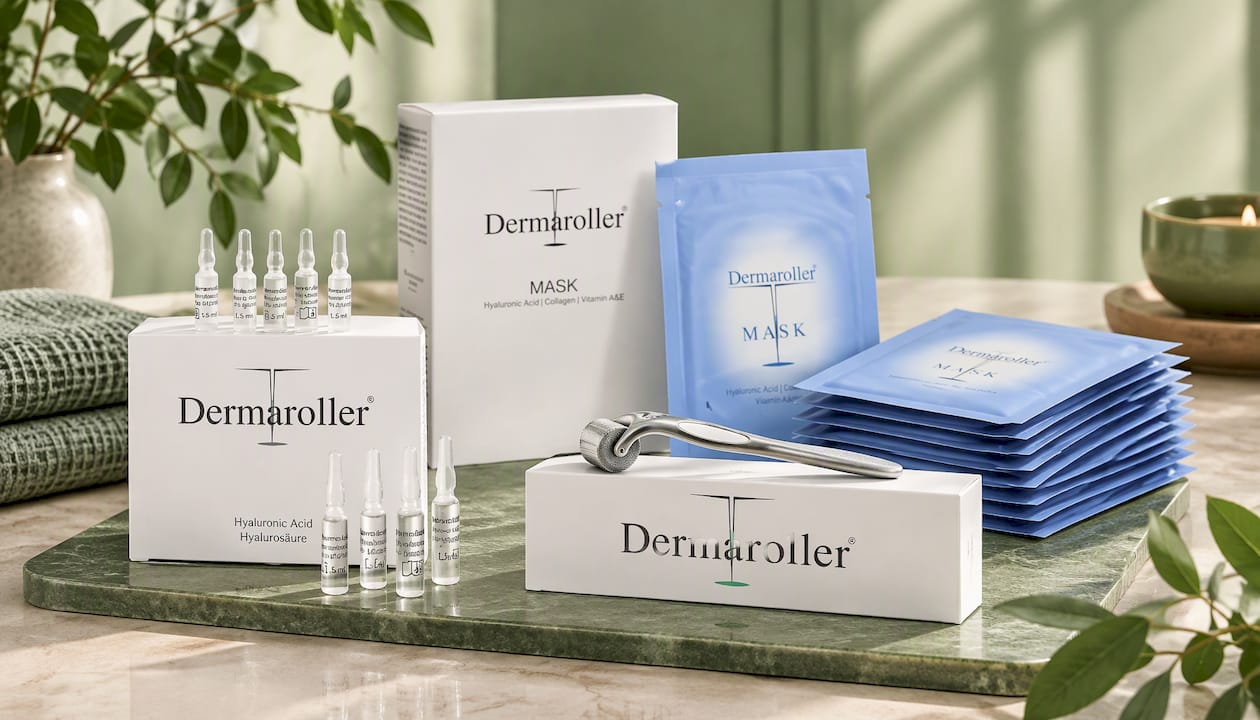
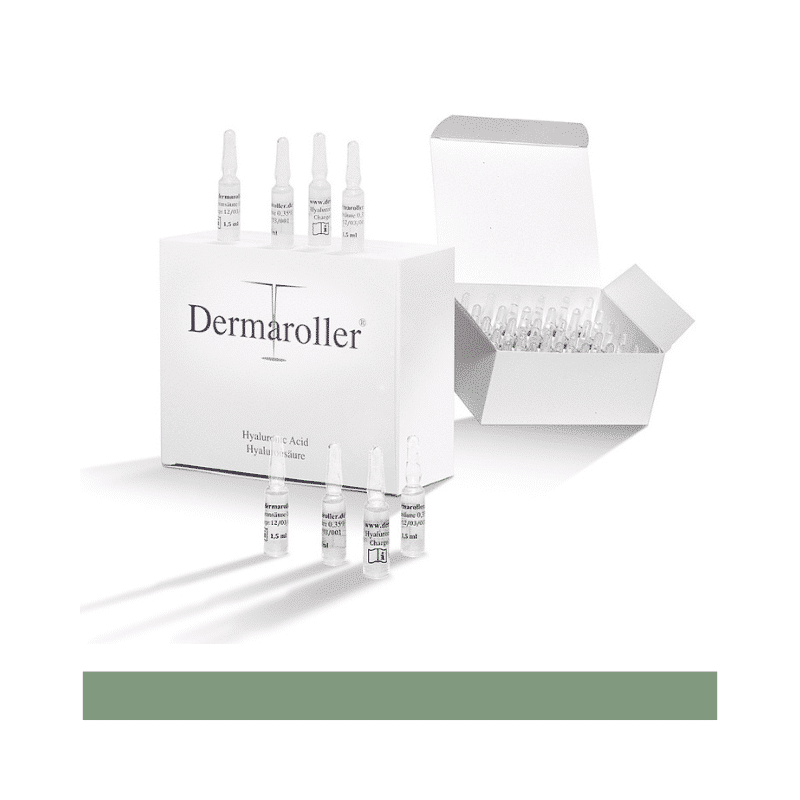
If you want to support results between visits, a gentle home routine helps. We carry hyaluronic acid ampules for clients who use home care alongside professional sessions, and we will tell you whether they suit your plan.
FAQ
Is facial mesotherapy worth it?
It depends on your goal. For hydration and a fresher look it can be a pleasant, low-downtime option, but a 2021 evidence update found proof of efficacy for wrinkles and tightening still lacking. If you want structural change, other treatments suit you better. A consultation will help you decide before you spend.
Who should avoid mesotherapy?
People with active skin infections, a tendency to form keloids, or who are pregnant should hold off and speak to their doctor first, as the same cautions apply to microneedling. Those with deeper skin tones can often be treated but need a conservative plan because of pigmentation risk. Tell your provider about all medications and skin conditions.
What is the difference between microneedling and mesotherapy?
Microneedling makes controlled micro-injuries to trigger collagen production, while mesotherapy delivers substances such as hyaluronic acid and vitamins into the skin. They are sometimes combined in one session. Microneedling is usually chosen for texture and scarring, mesotherapy for hydration and glow.
How long does the effect of mesotherapy last?
The effect is generally modest and temporary, which is why providers suggest a series and occasional maintenance. Results vary with the formulation, technique and your skin. Microneedling’s collagen response, by comparison, continues for 3 to 6 months after therapy.
Is mesotherapy legal in Canada?
Injectable cosmetic treatments are regulated, and Health Canada says they should be given by trained medical professionals using authorized products. It also advises against needle-free hyaluron pens. Always ask for the product’s authorization number and the practitioner’s credentials.
Sources
- An Update on Facial Skin Rejuvenation Effectiveness of Mesotherapy
- Efficacy of mesotherapy in facial rejuvenation: a histological and immunohistochemical evaluation
- Employing hyaluronic acid-based mesotherapy for facial rejuvenation
- Micro-needling: current state of knowledge and clinical applications: a review
- A Systematic Review Examining the Potential Adverse Effects of Microneedling
- Hyaluronic acid filler longevity and adverse events, systematic review
- Cosmetic injections, Health Canada
- Needle-free dermal filler devices are not authorized in Canada, Health Canada
- Applications and safety in skin of color