The most effective first step for under-eye wrinkles is a daily broad-spectrum SPF paired with a documented topical retinoid trial for 3 to 6 months. If fine lines persist after that trial, or if you have visible volume loss or excess skin, non-invasive clinic treatments like RF microneedling, dermal fillers, or resurfacing become worth considering, with surgical referral reserved for structural concerns.
TL;DR:
- Crepey texture responds to collagen stimulating resurfacing such as RF microneedling, while hollow tear troughs need volume correction and smile lines call for neuromodulators.
- A nonrandomized trial of 24 people reported average reductions near 49% in periorbital wrinkle severity scores after RF microneedling treatment.
- Fillers correct hollowing but carry risks including bruising, infection, and vascular blockage, so verify provider qualifications, device licensing, and complication plans before booking.
- After microneedling, pause retinoids and acids for several days, use sunscreen, and seek urgent care for severe pain, discoloration, swelling, or vision changes.
Table of Contents
- Why does the skin under your eyes wrinkle first?
- Build a retinoid and SPF routine before anything else
- Which professional treatment matches your specific concern?
- How soon will you see results, and what’s the downtime?
- How do you stay safe with injectables and devices?
- How do you choose the right treatment and provider?
- How we approach under-eye concerns at Nakota MediSpa
- What does the TriPollar eye treatment actually involve?
- How does TriPollar compare with other under-eye options?
- How should your treatment plan change with your skin and age?
- What should you do after a professional under-eye procedure?
- Can you combine TriPollar with other treatments for better results?
- The under-eye wrinkle advice that’s overrated, and what actually matters
- Ready for a plan tailored to your under-eye concerns?
- FAQ
- Sources
Why does the skin under your eyes wrinkle first?
The skin beneath your eyes is some of the thinnest on your body, and it has far fewer oil glands than your cheeks or forehead. That combination means it dries out faster, loses structure sooner, and shows the effects of repeated blinking and squinting years before the rest of your face catches up.
Several forces act on this area at once:
- Thin, oil-poor skin combined with constant muscle movement from blinking creates fine surface creases early.
- Volume loss in the tear trough area produces shadowing and deeper grooves rather than simple surface lines.
- UV exposure, smoking, and dehydration speed up collagen breakdown, compounding both texture and volume problems.
Matching your treatment to the actual cause matters. A crepey texture problem responds to different care than a hollow, shadowed tear trough, which is why the next sections separate at-home routines from procedures by what they’re built to fix.
Build a retinoid and SPF routine before anything else
A consistent SPF and retinoid routine is the foundation every other treatment builds on, and skipping it undermines the results of pricier procedures later.
- Apply a broad-spectrum SPF every single morning. Retinoids make skin more light-sensitive, and unprotected sun exposure actively works against the collagen repair you’re trying to stimulate.
- Choose your retinoid strength. Over-the-counter retinol is gentler and widely available; prescription tretinoin is stronger and typically requires a dermatologist. Harvard Health Publishing notes that prescription retinoids generally cost $20 to $30 per month and that a 3 to 6 month trial is the standard benchmark before considering in-clinic procedures.
- Introduce retinoids gradually, starting two to three nights a week, to avoid redness and peeling that cause many people to quit before seeing results.
- Layer in supportive care: an antioxidant serum in the morning, a gentle eye-specific moisturizer, consistent hydration, and cutting out smoking, which accelerates the same collagen loss retinoids are trying to reverse.
Consistency matters more than intensity. Harvard Health points out that many people abandon effective regimens because of early irritation or impatience, not because the treatment doesn’t work.
Pro Tip: Apply retinoid products to dry skin at night and wait 20 minutes before moisturizer to cut down on stinging without losing effectiveness.
Between sessions or once your skin tolerates actives well, a Dermaroller micro-needling approach paired with the right home-care products can extend results from in-clinic collagen induction work.
Which professional treatment matches your specific concern?
Once you’ve given topicals a genuine 3 to 6 month run, matching the right procedure to your actual problem makes the difference between a treatment that helps and one that just costs money.
- Neuromodulators (like Botox) relax the muscle contractions behind dynamic crow’s feet. Effects typically last 3 to 4 months per the product monograph referenced by Health Canada, and onset is usually visible within days.
- Dermal fillers add volume to a hollow tear trough, correcting shadowing rather than surface lines. Health Canada classifies these as Class III or IV medical devices and lists bruising, infection, and vascular occlusion among the risks when injections aren’t properly administered.
- RF microneedling stimulates collagen through controlled micro-injury and heat. A nonrandomized clinical trial of RF-assisted microneedling reported average reductions near 49% in periorbital wrinkle severity scores across 24 subjects, with minimal downtime and strong tolerability.
- Laser resurfacing and chemical peels target texture and pigmentation rather than volume. Mayo Clinic notes that downtime and risk vary widely depending on peel depth and energy settings used.
- Lower blepharoplasty is a surgical option reserved for genuine excess skin or fat herniation that no topical or energy-based treatment can resolve.
How soon will you see results, and what’s the downtime?
Patience separates people who get results from people who give up early. Here’s a realistic timeline by category.
- Topical retinoids: visible change typically takes 3 to 6 months of nightly use, per Harvard Health; a 12-week study of a hydrating retinoid eye cream found a 33% reduction in lines and wrinkles with no related adverse events.
- RF microneedling: delivered as a short series of sessions, with collagen remodeling continuing for months after the final treatment and minimal downtime between appointments.
- Neuromodulators: visible within days, peaking around two weeks, lasting roughly 3 to 4 months.
- Fillers: immediate correction, with final settling over one to two weeks and bruising as the main common side effect.
How do you stay safe with injectables and devices?
Safety starts with knowing who’s treating you and what you’re being treated with.
- Confirm your provider is a qualified healthcare professional. Health Canada specifically warns that cosmetic injectables carry risks including ptosis (droopy eyelid), muscle weakness, and in rare cases difficulty swallowing or breathing when administered improperly.
- Ask about product labeling and device licensing, and confirm the clinic has a plan for managing complications like vascular occlusion.
- Watch for warning signs after treatment: unusual swelling, skin discoloration, severe pain, or vision changes warrant urgent medical attention rather than a wait-and-see approach.
How do you choose the right treatment and provider?
Matching your concern to the right category keeps you from paying for a treatment that was never going to fix your actual problem.
- Crepey, textured skin: look toward collagen-stimulating resurfacing like RF microneedling.
- Hollow, shadowed tear troughs: dermal filler addresses volume loss directly.
- Dynamic lines that appear when you smile or squint: a neuromodulator targets the muscle movement causing them.
- Visible excess skin or fat pads: a surgical consult is the appropriate next step.
Before booking, ask about the provider’s training, the specific device brand used, expected number of sessions and total cost, and how complications are handled. Request before-and-after photos from the clinic’s own patients.
Pro Tip: Walk away from any provider who skips a written consent form, pressures you to decide same-day, or gives vague answers about their credentials.
How we approach under-eye concerns at Nakota MediSpa
We treat under-eye aging as a layered problem, not a single fix. Our TriPollar Eye Under Treatment or Eyebrow Lift targets skin laxity and fine lines with radiofrequency energy, while our collagen induction therapy and micro-needling addresses texture and stimulates new collagen directly. Our OxyGeneo 3-in-1 facial adds oxygenation and exfoliation that supports both of those treatments between sessions.
Every plan starts with an individualized consultation rather than a one-size package, because a crepey texture concern and a hollow tear trough concern call for different starting points. Health Canada licensed devices and natural ingredient-focused protocols are favored throughout treatment and aftercare.
What does the TriPollar eye treatment actually involve?
A TriPollar Eye Under Treatment or Eyebrow Lift uses radiofrequency energy delivered through a handheld applicator moved over the under-eye and brow area. The RF energy heats the deeper skin layers, which encourages the skin’s own collagen-producing response without breaking the surface, so there’s no needling and no downtime involved in this particular service.
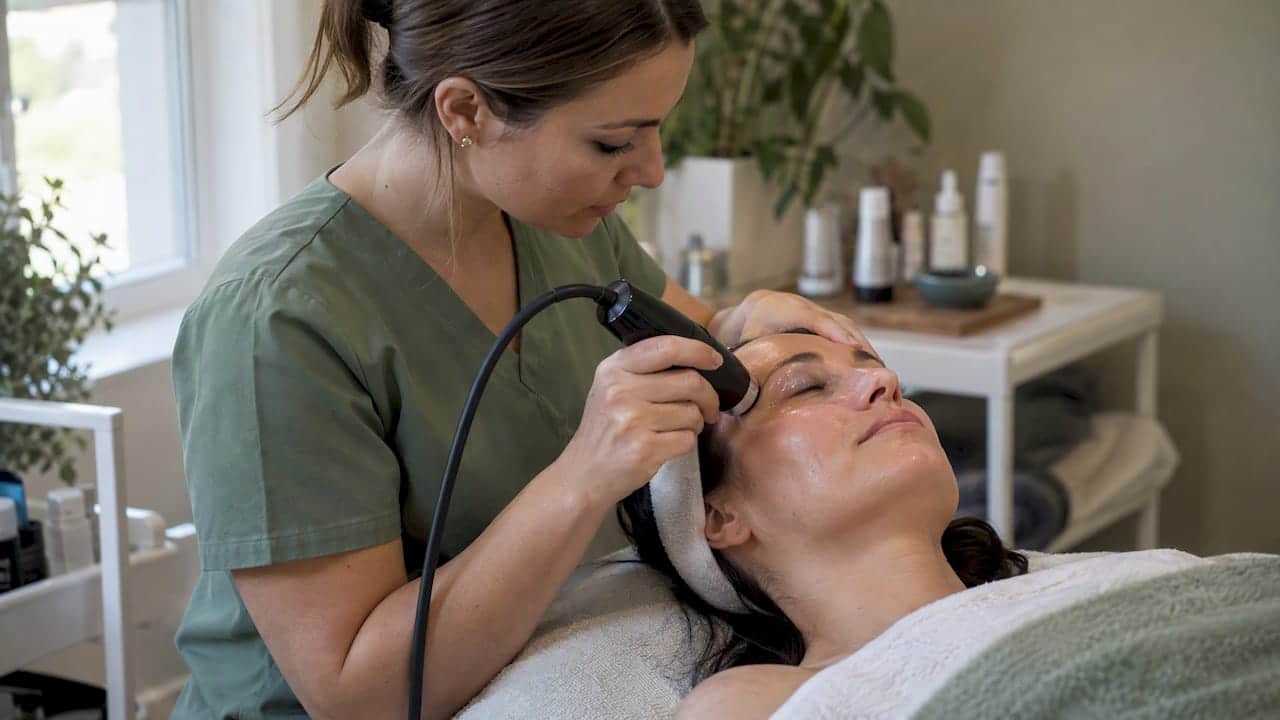
Sessions run quickly, and the sensation is typically described as warm rather than painful. The treatment is priced at 100 CAD per session, making it one of the more accessible entry points into professional under-eye care compared with injectable options.
The treatment works best for mild to moderate skin laxity and fine surface lines rather than deep hollowing, since RF energy tightens existing tissue rather than adding volume. Most clients see gradual tightening over a series of sessions, with the warmth of each treatment measurable but comfortable. Because it’s non-invasive, there’s no injection risk profile to navigate and no recovery period that keeps you from makeup or normal activity afterward.
How does TriPollar compare with other under-eye options?
TriPollar’s radiofrequency approach sits in a different risk and downtime category than injectable treatments. Where neuromodulators and dermal fillers involve needles and carry risks that Health Canada specifically flags, including bruising and vascular complications, RF treatment works entirely on the skin’s surface and underlying tissue without breaking skin integrity.
Compared with RF microneedling, which combines radiofrequency with actual needle penetration and showed strong results in clinical trial data for periorbital wrinkles, our TriPollar treatment skips the needling step entirely. That makes it gentler and better suited to clients who want zero downtime, while RF microneedling may deliver more pronounced texture change for deeper lines over a longer series.
Against chemical peels and laser resurfacing, which work by controlled surface damage and regrowth, TriPollar’s heat-based approach avoids the peeling or redness recovery period those treatments often involve. For clients deciding between options, the honest distinction is this: TriPollar tightens; fillers add volume; microneedling rebuilds texture through controlled injury. Many clients ultimately combine more than one approach rather than choosing a single category.

How should your treatment plan change with your skin and age?
No two under-eye concerns look alike, and age plays a large role in which category of treatment makes sense first. Someone in their late twenties or early thirties dealing mainly with fine dynamic lines often does well starting with a disciplined topical retinoid routine and possibly our TriPollar treatment for early tightening, without needing volume correction yet.
By the forties and fifties, tear-trough hollowing and more pronounced skin laxity tend to show up together, which is where a combination of TriPollar for tightening and a referral discussion about filler for volume becomes more relevant. Skin type matters too: thicker, oilier skin generally tolerates retinoids and RF treatments with less irritation, while thinner, drier, or more reactive skin benefits from a slower introduction and closer attention during any energy-based treatment.
During consultation, we walk through your specific skin type, your age-related concerns, and what you’ve already tried at home before recommending a plan. That conversation determines whether we start with TriPollar alone, pair it with micro-needling, or suggest you continue your topical routine a bit longer before adding a procedure. The goal is a plan built around what your skin is actually doing, not a standard package applied to everyone who walks in.
What should you do after a professional under-eye procedure?
Aftercare determines how much of your treatment’s benefit you actually keep. For non-invasive RF treatments like TriPollar, there’s minimal restriction: avoid harsh exfoliants for a day or two and keep up your SPF routine, since the skin remains more sensitive to UV exposure right after treatment.
For micro-needling and other collagen induction procedures, aftercare is more involved. We recommend gentle cleansing, avoiding active ingredients like retinoids or acids for several days, and using a dedicated home-care system designed to support the skin’s repair process rather than disrupt it. Sun protection becomes especially important here, since freshly treated skin is more vulnerable to pigmentation changes.
Across all professional procedures, hydration and consistent SPF use are the two habits that protect your results longest. Skipping sunscreen in the weeks after a resurfacing or microneedling treatment can undo a meaningful portion of the improvement you just paid for. If you experience unusual swelling, prolonged redness, or discomfort beyond what you were told to expect, that’s a reason to contact your provider rather than wait it out.
Can you combine TriPollar with other treatments for better results?
Combining treatments addresses more than one cause at once, which matches how most under-eye aging actually develops. Pairing TriPollar’s radiofrequency tightening with micro-needling targets both skin laxity and surface texture in the same treatment plan rather than forcing a choice between the two.
Adding an OxyGeneo facial into the rotation supports both treatments between sessions through exfoliation and oxygenation, which can help skin respond better to subsequent RF or needling sessions. We often sequence these services rather than running them simultaneously, spacing sessions to let the skin recover and respond before layering on the next step.
This layered approach reflects a broader principle in periorbital rejuvenation: volume, texture, and muscle movement are separate problems that often coexist, and addressing only one leaves the others visible. A combination plan built during consultation, rather than picked from a menu, tends to produce a more balanced result than any single treatment used alone.
The under-eye wrinkle advice that’s overrated, and what actually matters
The most overrated piece of advice in this space is the promise of a single miracle product or one-and-done procedure. Under-eye aging is layered: thinning skin, muscle movement, and volume loss rarely arrive alone, and no single treatment addresses all three. The evidence consistently points toward a boring but effective sequence: SPF and a retinoid first, given a genuine 3 to 6 month trial, before spending money on procedures.
What conventional advice underplays is patience. Retinoid studies show real improvement, but only with consistency most people abandon within weeks. What it overplays is the idea that in-clinic treatments are interchangeable, when a filler fixes volume, a neuromodulator fixes movement, and resurfacing fixes texture, and picking the wrong one wastes money on a problem it was never built to solve. The reader’s real priority should be diagnosis before treatment: understand which of the three mechanisms is driving your specific lines, then choose accordingly rather than chasing whatever treatment is trending.
— Andy
Ready for a plan tailored to your under-eye concerns?
We build every under-eye plan around a consultation, not a package, so you start with what your skin actually needs rather than a generic protocol.

If you’re maintaining results at home or supporting a recent micro-needling session, our Dermaroller Home Care, Dermaroller Roller, and Ultimate Dermaroller Home Care Set are the home-care products we recommend between visits. Book a consultation through our micro-needling page to map out your next step.
FAQ
What tightens skin under the eyes?
Radiofrequency treatments like TriPollar heat the deeper skin layers to stimulate the skin’s own collagen response, which gradually tightens loose skin without needles or downtime. Topical retinoids also support firmness over time by increasing collagen production and cell turnover, per Harvard Health.
Do fine lines go away?
Fine lines from dynamic muscle movement and early collagen loss can improve significantly with consistent treatment, though they rarely disappear completely without ongoing care. A 12-week retinoid eye cream study showed a 33% reduction in lines and wrinkles, and professional treatments can extend that improvement further.
What do Koreans use for under-eye wrinkles?
Common approaches include hydrating, antioxidant-rich serums combined with gentle layering techniques, alongside the same evidence-backed basics used elsewhere: daily sunscreen and retinoid use. The underlying principle, consistent hydration plus active ingredients used patiently, aligns with the dermatology-backed routine recommended generally for periorbital aging.
What are some home remedies for under-eye wrinkles?
The most effective at-home approach remains daily broad-spectrum SPF combined with a retinol or prescription retinoid used consistently for 3 to 6 months. Supportive habits like antioxidant serums, adequate hydration, and avoiding smoking help protect the collagen you’re trying to rebuild, though they work alongside, not instead of, SPF and retinoids.
Sources
- Do retinoids really reduce wrinkles? | Harvard Health Publishing
- Canada
- Microneedling With RF‐Assisted Skin Penetration Improves the Hard‐to‐Treat Periorbital Wrinkles: Nonrandomized Clinical Trial
- Efficacy and tolerability of a retinoid eye cream for fine to moderate wrinkles of the periorbital region | J Drugs Dermatol