
If you’re researching microneedling for acne scars Ottawa, the key question is whether your marks are depressed scars that may respond to treatment—not active breakouts or discoloration alone. Microneedling may soften some acne-related texture, but results vary, recovery requires planning, and complete scar removal is not a realistic promise. A qualified clinician should assess your skin, medical history, and scar pattern before you commit to treatment.
TL;DR
- Microneedling may improve certain depressed acne scars, but not every scar type responds equally.
- Active acne, infection, healing problems, and a history of abnormal scarring require careful assessment.
- Expect temporary irritation and gradual results rather than an immediate, permanent-looking transformation.
- Ask about device safety, practitioner training, aftercare, total costs, and when another treatment would be preferable.
- The supplied sources cover general skin care, not microneedling outcomes; treatment-specific verification is needed.
How microneedling for acne scars Ottawa fits your goals
Microneedling uses fine needles to create controlled skin injuries intended to stimulate a repair response and collagen remodeling. For acne scars, the goal is usually to make uneven texture less noticeable—not to erase every indentation or recreate skin that has never had acne.
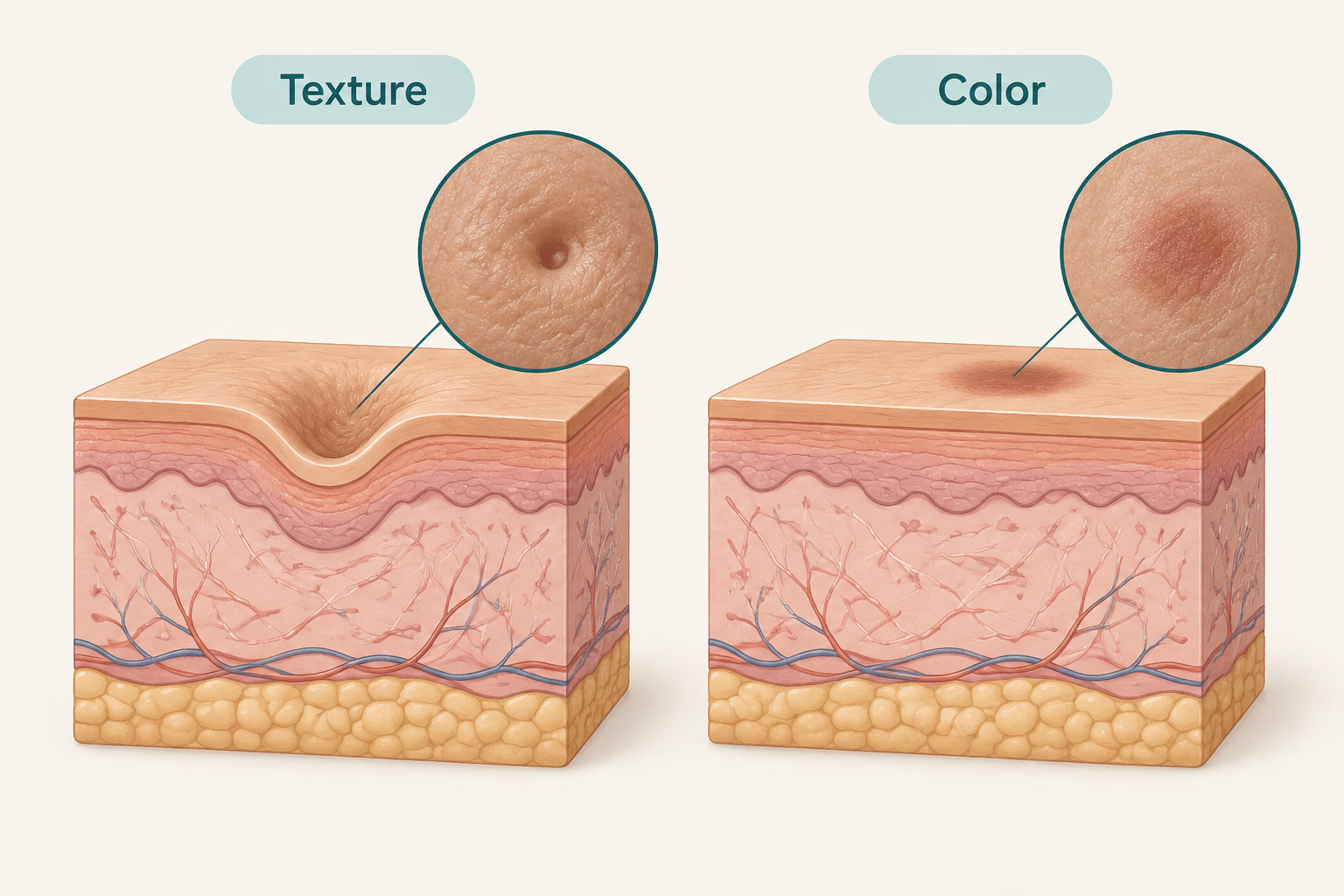
A useful consultation starts with identifying what you want to change. Indentations, red marks, brown spots, enlarged-looking pores, and ongoing acne can coexist, but they are not interchangeable concerns.
Texture and discoloration need different conversations
Depressed scars change the skin’s surface. Post-acne discoloration can remain flat, even when its contrast makes it look prominent in photographs or overhead lighting.
Microneedling may be considered for some textural scars, while discoloration requires its own assessment. Treating the wrong concern can lead to unnecessary downtime without addressing what bothers you most.
Set a specific goal, such as making cheek indentations less noticeable in everyday lighting. A general request for “perfect skin” is harder to evaluate and more likely to create disappointment.
Understand the evidence boundary
The supplied American Academy of Dermatology material offers general skin-care information, but it does not establish microneedling effectiveness, treatment schedules, or recovery timelines. The procedure-specific guidance here is general education; verification with a qualified clinician and current, treatment-specific evidence is needed before making a medical decision.
Be cautious about guaranteed percentages of improvement. Your scar pattern, skin response, treatment method, and ongoing acne all affect what may be achievable.
Which acne scars may be suitable?
A scar assessment should consider depth, shape, whether the skin is tethered underneath, and your tendency to develop pigment changes or raised scars. Microneedling for pitted acne scars is not one uniform treatment problem: shallow depressions and deep, narrow scars can require different approaches.
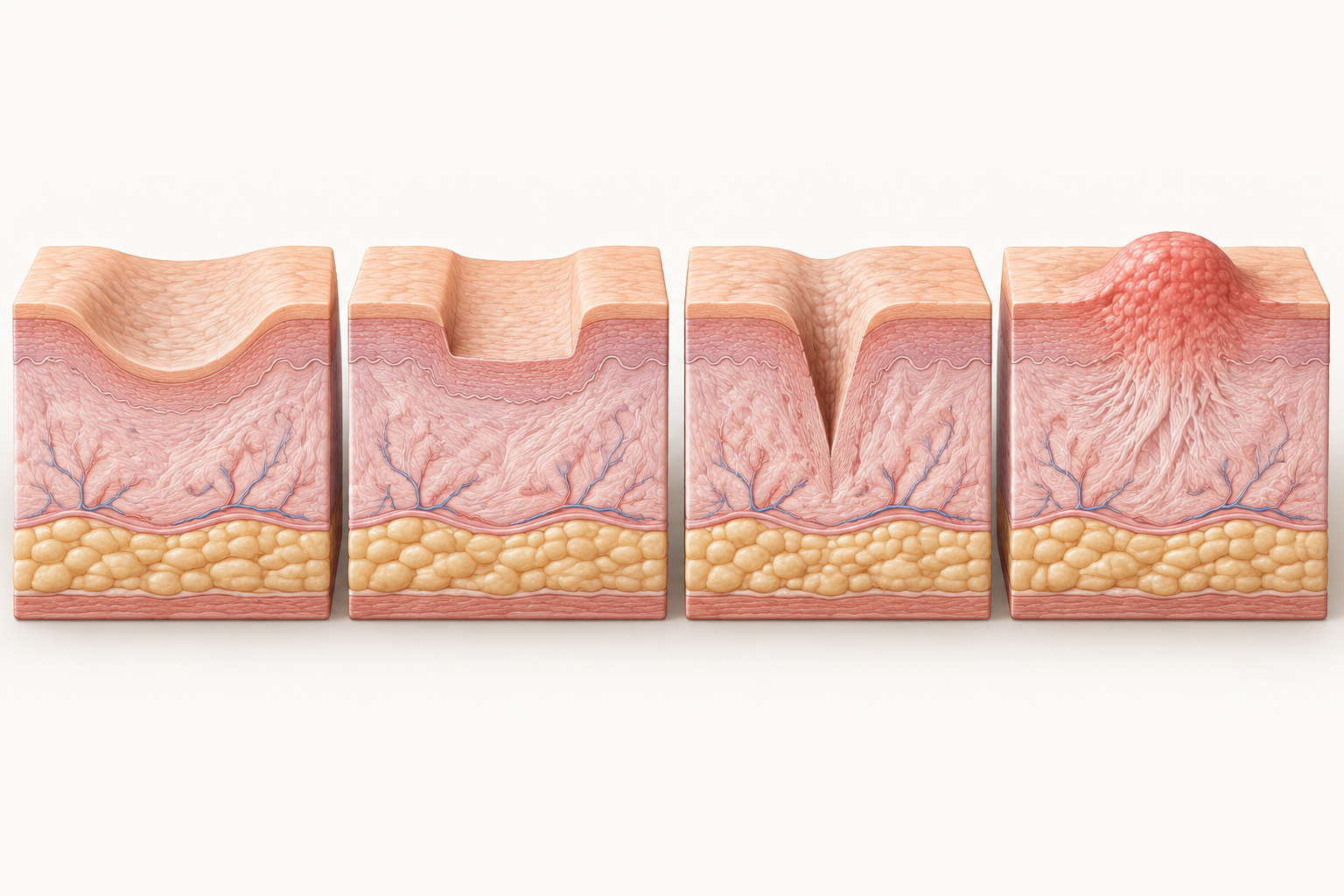
Use this table to prepare questions, not to diagnose your own scars or choose a procedure independently.
| What you notice | What it may represent | Consultation priority |
|---|---|---|
| Broad, shallow, wave-like depressions | Rolling scars, sometimes with underlying tethering | Ask whether microneedling alone can address the underlying structure |
| Defined depressions with clearer edges | Boxcar scars of varying depth | Discuss how scar depth affects treatment choice |
| Small, narrow, deep pits | Ice-pick scars | Ask whether a targeted medical procedure would be more appropriate |
| Firm, elevated scar tissue | Hypertrophic or keloid scarring | Seek medical assessment before any needling treatment |
| Flat red, purple, or brown marks | Post-inflammatory color changes rather than depressed scars | Clarify whether pigment or redness is the main concern |
| New inflamed bumps or pustules | Active acne | Prioritize acne assessment and control before scar-focused treatment |
When treatment may need to wait
A provider should assess active infection, open wounds, significant irritation, and inflamed acne in the proposed treatment area. Treating through these problems may increase risk and does not address the cause of new scars.
Disclose anything that could affect healing or bleeding, including immune conditions, poorly controlled medical conditions, blood-thinning medicines, and a history of keloids. Also mention cold sores, allergies, pregnancy or breastfeeding, recent procedures, and current or previous isotretinoin use.
These factors do not all carry the same restrictions. Do not stop prescribed medication or adopt a waiting period based on an online article; your prescribing clinician and treating professional should guide that decision.
What about darker skin tones?
Darker skin tones should not automatically be excluded, but post-inflammatory pigment changes remain a concern. Ask about the practitioner’s experience with your skin tone, how settings are selected, and what happens if darkening develops.
A claim that microneedling carries “no pigmentation risk” is a reason to ask more questions. Individual assessment matters more than a blanket suitability statement.
What to ask before booking treatment
When comparing acne scar treatment Ottawa options, look beyond promotional photographs and the price of one appointment. You need to understand who will perform the procedure, what equipment will be used, and whether the plan matches your scars.
A useful consultation should cover:
- Practitioner qualifications: Who performs treatment, and what training and oversight apply?
- Device details: What device is used, and what Canadian regulatory status and intended use apply to that exact device?
- Infection prevention: Are needle cartridges sterile and single-use, and how are surfaces and reusable components handled?
- Treatment boundaries: When would the provider defer treatment or recommend a dermatologist?
- Aftercare support: Who can you contact if healing does not follow the expected course?
Standard microneedling and radiofrequency microneedling are not interchangeable. Radiofrequency devices add energy delivery, which changes the procedure and its risk discussion; do not assume a clinic offers both because it advertises microneedling.
Prepare without over-treating your skin
Bring a list of prescriptions, over-the-counter products, supplements, allergies, and recent treatments. Include retinoids, exfoliating acids, acne products, and anything that has previously irritated your skin.
Ask for written instructions about which products to pause and when to restart them. Avoid trying a strong peel, aggressive scrub, or new active ingredient immediately before treatment, and report a sunburn or new breakout before attending.
Clarify the full financial commitment
Request a written estimate covering the proposed course, reassessments, required products, and any optional additions. No reliable Ottawa price comparison can be made from the supplied information, so a local quote is needed.
Ask what happens if your skin does not tolerate treatment or progress is limited. A sensible plan should allow reassessment rather than requiring you to continue an unsuitable package.
Microneedling recovery and aftercare
Microneedling recovery commonly involves temporary redness, tenderness, tightness, or swelling; dryness and flaking may follow. The degree and duration depend on treatment intensity, the area treated, and your skin’s response, so plan around individualized instructions rather than a guaranteed next-day recovery.

Immediately after treatment
Your skin may feel warm or sensitive, and some protocols can cause pinpoint bleeding. Ask what is expected for your specific treatment and when you can wash your face, apply products, or use makeup.
Keep the initial routine simple and use only products approved by the treating professional. Do not assume that a familiar serum is suitable for freshly treated skin, especially if it contains fragrance, acids, or other irritating ingredients.
While the skin settles
Avoid picking flakes or scrubbing away roughness. Follow the provider’s instructions about exercise, heat exposure, swimming, shaving, and restarting retinoids or exfoliants.
Sun protection is important, but ask when and which sunscreen to apply after the procedure. Shade and protective clothing can help reduce exposure while you follow the prescribed routine.
For Ottawa schedules, think practically: winter wind and indoor heating may make sensitive skin feel drier, while summer outdoor activities can complicate sun avoidance. Leave flexibility before weddings, photographs, travel, or other events where irritation would be inconvenient.
Know when to seek help
Possible complications include infection, persistent pigment changes, prolonged irritation, and scarring. Reactions to numbing products or other applied substances are also possible.
Contact the treating professional promptly for increasing pain, spreading redness, pus, blistering, or symptoms that worsen rather than settle. Fever or significant swelling warrants medical assessment; breathing difficulty or a severe allergic reaction requires emergency care.
What results can you realistically expect?
Meaningful scar remodeling is gradual. Early swelling can temporarily make depressions look smoother, so an immediate photograph is not a reliable measure of the final result.
Some people may benefit from a series of treatments, but the number and spacing should follow assessment and healing rather than a universal package. Expect improvement to be evaluated over time, not judged solely by how your skin looks when you leave the appointment.
Compare progress fairly
Take baseline and follow-up photographs in similar lighting, at the same distance, and without filters. Side lighting can emphasize texture, while flattering front lighting can hide it; changing conditions makes comparisons misleading.
Useful progress questions include:
- Are the targeted depressions less noticeable in ordinary lighting?
- Has the skin returned to its usual comfort and color between sessions?
- Are new breakouts creating additional scars?
- Is the benefit worth the cost, downtime, and ongoing care?
If progress is limited, reassess the diagnosis and treatment choice. Simply increasing intensity is not automatically the safest or most effective next step.
When another approach may be better
A dermatologist may discuss other procedures for deep, sharply defined, or tethered scars. Options can include targeted scar techniques, subcision, resurfacing, or combinations, depending on the individual case.
These alternatives have their own risks and recovery requirements. Their mention here does not mean they are offered by Nakota MediSpa, and choosing among them requires qualified medical assessment.
How Nakota MediSpa approaches personalized skin care
Nakota MediSpa offers personalized skin care, including microneedling, in a private, certified home-based clinic in Barrhaven, Nepean, Ottawa. Its stated approach emphasizes a relaxing setting and Health Canada-certified technologies; confirm the specific device, practitioner qualifications, and suitability for your concerns before booking.

For readers exploring microneedling Barrhaven options, Nakota MediSpa’s homepage is a starting point to learn about the clinic and ask about its microneedling service. Other listed services include OxyGeneo facials, TriPollar skin tightening, and chemical peels, but availability does not mean each is appropriate for acne scars.
Bring your scar concerns, current routine, medical history, and scheduling constraints to the conversation. A useful first step is clarifying whether microneedling fits your goals—not committing to a particular number of sessions before suitability is established.
FAQ
Can microneedling completely remove acne scars?
Complete removal is not a realistic guarantee. Microneedling may soften some depressed scars, but deeper or tethered scars may need a different approach, and residual texture can remain.
How many treatments will I need?
There is no reliable universal number. Your scar pattern, healing response, treatment intensity, and goals should guide the proposed course, with reassessment before additional sessions.
Is microneedling painful?
It can cause discomfort, and topical numbing may be used depending on the protocol. Ask how comfort is managed, disclose allergies, and expect possible tenderness afterward rather than assuming treatment is painless.
Can I have microneedling if I still get acne?
Occasional breakouts and widespread inflamed acne require different assessments. Tell the provider about new lesions before treatment; controlling active acne may need to come first to reduce ongoing inflammation and new scarring.
Is a home dermaroller a substitute?
No. Home needling is not equivalent to professionally assessed treatment and can introduce infection, irritation, or scarring, particularly with aggressive use. Avoid needling active acne or attempting to reproduce professional treatment depths yourself.
Sources
- American Academy of Dermatology: Skin care basics — General background on everyday skin care. The supplied excerpt does not verify microneedling-specific benefits, recovery schedules, or treatment protocols.
- Nakota MediSpa — Business homepage for clinic information and service inquiries. Business descriptions in this guide reflect the supplied information, not independent verification of clinical outcomes.
Treatment-specific evidence and individualized clinical advice are needed before proceeding.
